
The business model for rooftop solar is shifting
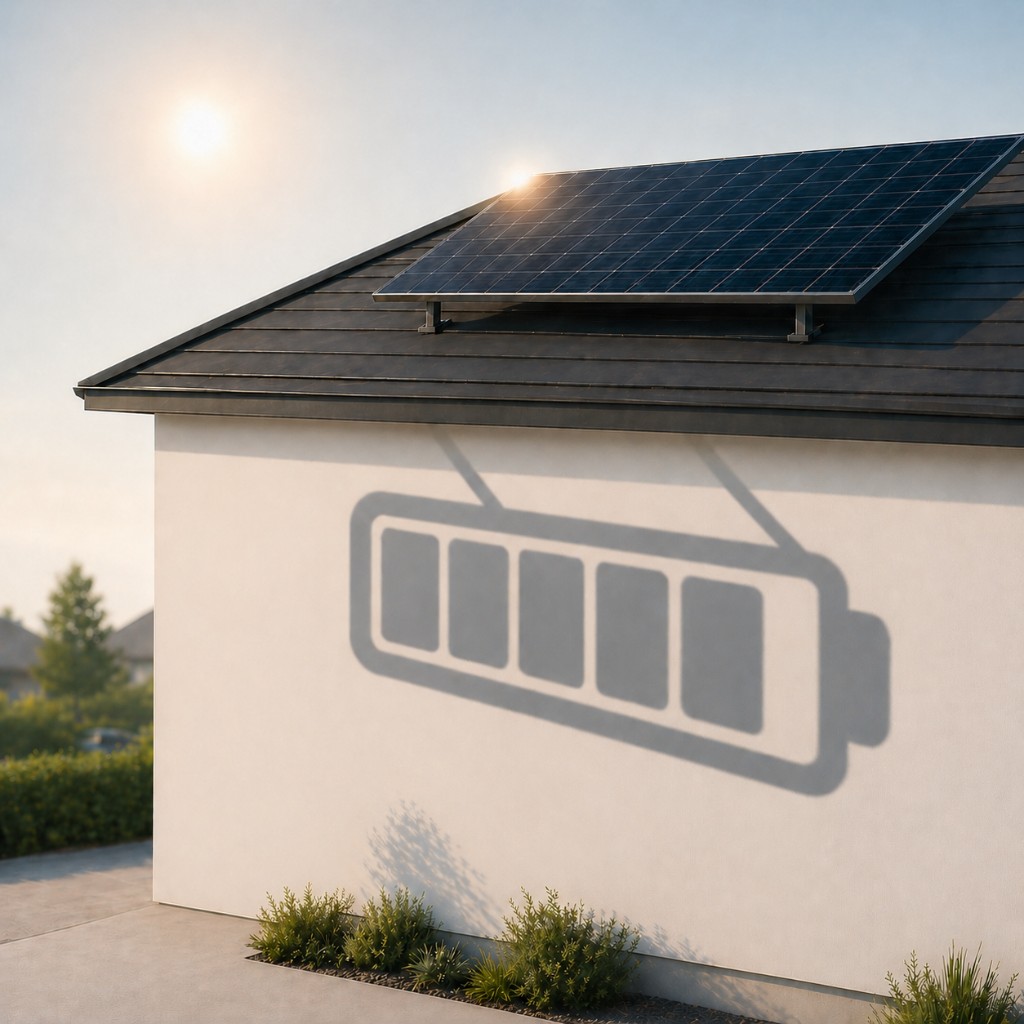
For solar projects, selling the surplus has long been a significant component of their profitability, thanks in particular to attractive feed-in tariffs.
Since then, the framework has changed considerably:
- Before March 2025: surplus from installations below 9 kWp with an S21 contract (France’s standard surplus feed-in contract) could still be sold at 12.69 c€/kWh.
- March 2025: the surplus feed-in tariff fell to 4 c€/kWh for installations up to 9 kWp.
- September 2025: above 100 kWp, installations leave the S21 open-window scheme with EDF OA (EDF’s purchase obligation department) and move to the “complément de rémunération” (feed-in premium), which is allocated through tenders.
- April 2026: the surplus feed-in tariff fell to 4.73 c€/kWh for installations between 9 and 100 kWp. A draft decree sent to the CSE (France’s energy council) refers to a surplus feed-in tariff of 1.1 c€/kWh, excluding periods of negative spot prices.
Contracts already signed are therefore not affected. But for new projects, the signal is clear: value no longer lies solely in passively injecting surplus solar into the grid.
This shift is consistent with how the electricity market is evolving: in 2025, France saw 513 hours of negative spot prices, compared with 352 in 2024.
Daily price spreads on the energy markets are also widening sharply: the average gap between the lowest and highest spot price within the same day reached €89.7/MWh in 2025, compared with €76.4/MWh in 2024 and €27.2/MWh in 2019.
Above all, these trends highlight another need of the power system: solutions capable of providing flexibility. This is precisely the new source of value that a battery installed alongside solar panels can capture.
Orchestrated intelligently, it improves the ROI of the solar project as a whole by combining control for flexibility with control for self-consumption. The battery can cover the site’s needs, charge when market prices are low, discharge when they are high, and make its capacity available to the grid when needed.
It is this market dynamic that gave rise to Nexen GridTech. Our goal: to make flexibility simple and accessible for behind-the-meter batteries under 1 MW.
Get in touch to discuss this and explore together how Nexen Tech could help you supply batteries that serve both your customers and the power grid.