
Battery, solar panels and an EDF OA S21 contract: is flexibility really possible?
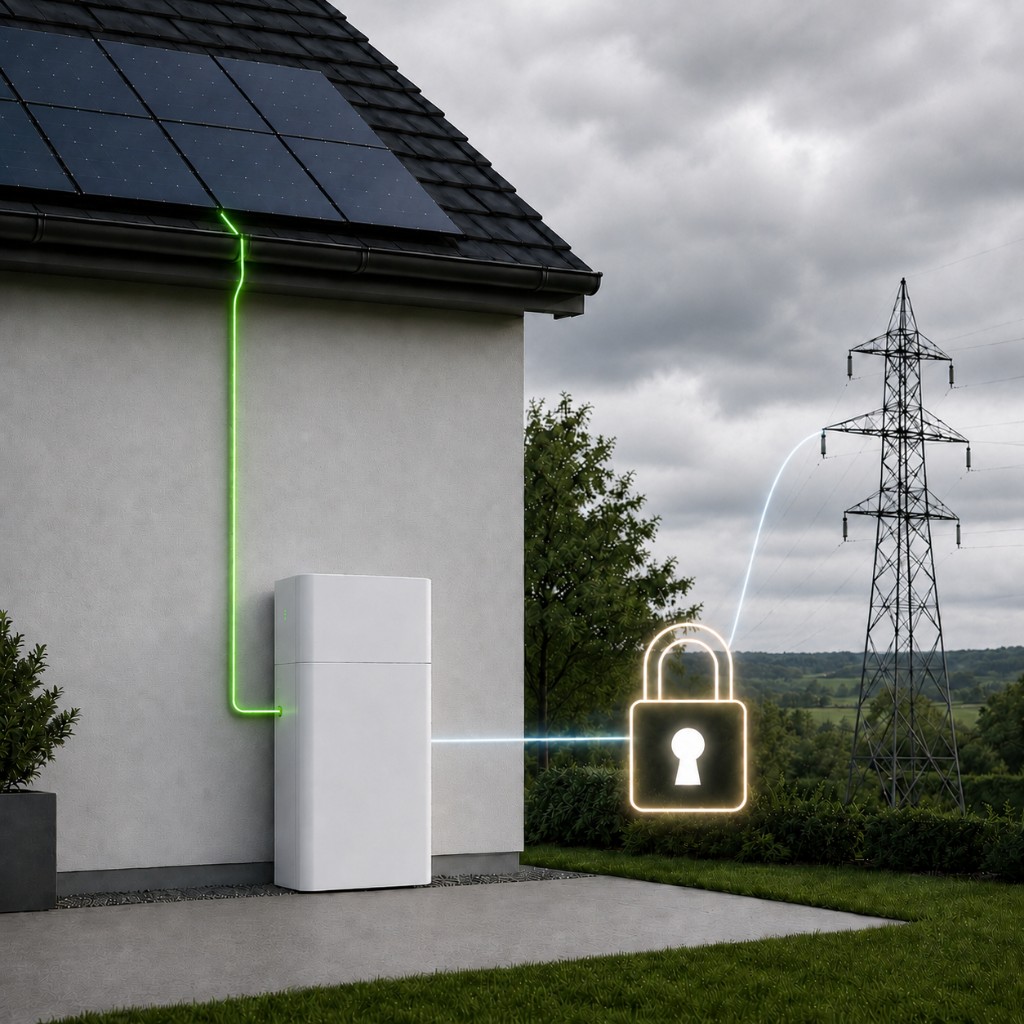
Installing a battery that can take part in flexibility mechanisms while keeping an S21 feed-in contract (France’s standard surplus purchase contract) with EDF OA for your solar panels: is it really possible?
In practice, yes, but the flexibility potential is severely limited.
As soon as a battery is paired with a solar installation under an S21 contract, the law requires that the stored energy come exclusively from the generating installation.
In other words: no charging from the grid.
Yet to make full use of a battery’s flexibility, it must be able to charge from and discharge to the power grid freely, according to the grid’s needs.
If the battery is charged only by the solar panels, it is likely to be empty at night, in winter or under cloudy skies, for example, or simply unavailable when a market opportunity arises.
The result: its ability to respond to the grid’s flexibility signals is greatly reduced.
To get the full flexibility potential out of a battery that is about to be installed, we therefore recommend no longer signing an S21 surplus feed-in contract. The aim: to keep the battery available to the grid and to optimise its control so as to maximise the revenue it generates.
That is exactly what we offer at Nexen GridTech. If you would like to compare the two scenarios, send us a message.